🌙 Eid al-Fitr in Saudi Arabia: Traditions, Celebrations, and Cultural Significance

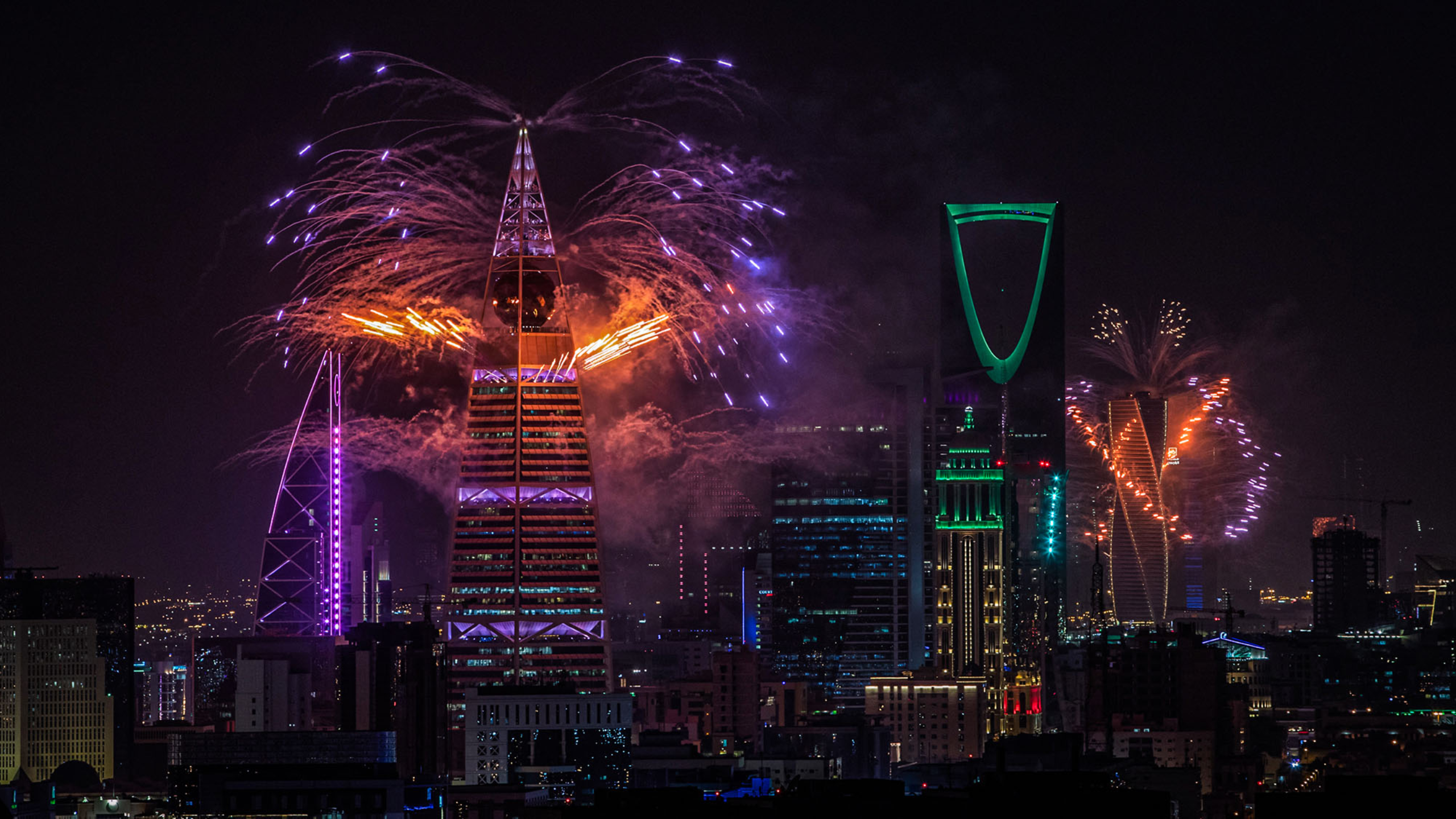
Eid al-Fitr, known as “عيد الفطر” in Arabic, is one of the most joyous occasions in Saudi Arabia. It marks the end of Ramadan, the holy month of fasting, prayer, and reflection. For Saudis, Eid al-Fitr is more than a religious festival—it is a time of family, generosity, vibrant traditions, and deep-rooted cultural expressions.
🕋 The Spiritual Significance
The core of Eid al-Fitr is spiritual. After 30 days of fasting, Muslims in Saudi Arabia and across the world celebrate the completion of Ramadan by thanking Allah and seeking His blessings.
Fitrana (Zakat al-Fitr): Before the Eid prayer, every Muslim who can afford it pays Zakat al-Fitr, a charitable donation that ensures even the less fortunate can partake in the festivities. This act of generosity embodies the spirit of Ramadan—compassion, charity, and social responsibility.
Special Prayers (Salat al-Eid): On the morning of Eid, Saudi Muslims gather in mosques and open fields for Eid prayers, which are usually offered in large congregations. These prayers strengthen the sense of community and unity.
🎉 Festive Traditions in Saudi Arabia
Eid al-Fitr in Saudi Arabia is filled with colorful and heartwarming traditions that reflect both Islamic and local cultural influences:
Family Gatherings and Feasts:
Families come together to enjoy lavish breakfasts and meals after the morning prayer. Traditional dishes often include:Kleeja – sweet stuffed cookies with dates or nuts.
Mutabbaq – a stuffed savory pastry, commonly prepared for special occasions.
Saudi-style Kabsa – aromatic rice with meat, often served during celebratory meals.
New Clothes and Gifts:
Saudis love to wear new clothes on Eid. Children especially receive Eidiya, small gifts or money, from relatives—a practice that brings joy and excitement to the young ones.Visiting Friends and Relatives:
Eid is the perfect time for social visits, paying respects to elders, and strengthening community ties. Saudis often spend hours visiting neighbors, sharing sweets, and enjoying coffee and dates together.Public Celebrations:
While Saudi Arabia has traditionally emphasized family and religious observances, cities like Riyadh, Jeddah, and Dammam now host Eid festivals, fairs, and cultural events. These include traditional music, poetry recitals, and modern entertainment for families.
🌟 Cultural Highlights
Henna Art: Women and girls often decorate their hands with intricate henna patterns during Eid. This is not only a decorative tradition but also a social activity, often done in gatherings of friends and family.
Traditional Music and Dance: In some regions, especially the Eastern Province, Al-Ardha—a traditional sword dance accompanied by drums and poetry—is performed during public Eid celebrations.
Charity and Community Spirit: Eid al-Fitr reminds everyone of compassion and generosity. Saudis continue the spirit of giving by sharing meals and gifts with the less fortunate throughout the day.
🎈 Eid Through the Eyes of Saudi Children
For children, Eid al-Fitr is magical. The combination of new clothes, sweets, toys, and Eidiya creates a sense of excitement that begins days before Eid. Children also enjoy cultural games, storytelling, and visits to amusement parks—modern twists on age-old celebrations.
Eid al-Fitr in Saudi Arabia is a beautiful blend of religious devotion, family bonding, and cultural celebration. It is a time to pause, reflect, and express gratitude for the blessings of life. From the early morning prayers to the evening feasts, from charity to laughter-filled family visits, Eid embodies the spirit of unity, generosity, and joy that defines Saudi culture.
For anyone visiting Saudi Arabia during Eid al-Fitr, it is not just a festival—it is an experience, a window into the soul of Saudi society, and a celebration that touches the heart of every participant, young and old alike.